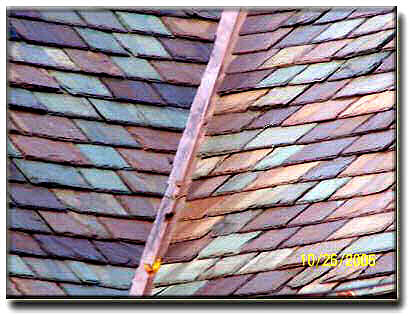
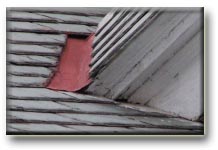
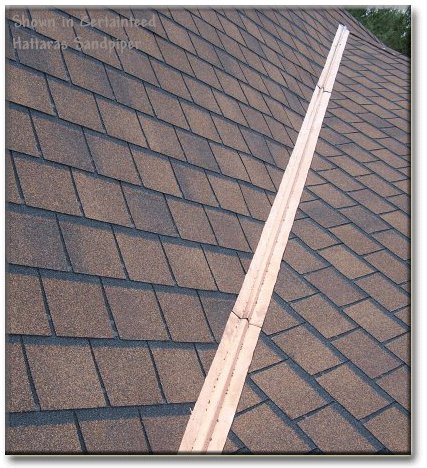
| There are several methods of Valley methods including: Weaved Valley, Closed Valley, Step Flashed Valley,Tucked and Cut Valley. For discussion we are highlighting the Open Metal Valley: |
 |
|
|
| It is never advisable to apply Asphalt Roof Cement, or any other sealant to the Metal Valleys and Flashings of any roof! READ WHY |
 |
|
For instance,
Terne Coated Tin, or Steel (of the last century and a half) was
often employed as valley linings and flashings in areas where
anthracite coal usage was the main energy source of heating. The
soot, heavily laden with sulfur from the chimneys, would degrade
the copper roof flashings rather rapidly in urban areas. |
| Whether it
is the replacement of old Terne Flashings on an old, yet viable
Slate Roof (Such as Vermont Slate, or even a viable Pa. Black
Slate, etc.) or the installation of a new Roofing System, Copper
Open Valleys offer a lifetime of protection, while affording an
accompaniment level of enhancement to the rooftop. When deteriorating valley seams or hidden flashing failures cause internal water damage, specialized roof leak detection in Philadelphia can trace the exact entry point along complex roof intersections. |
|
 |
 |
|
Many of the
new super heavyweight asphalt roofing shingles must be installed
with open valleys. The metal of choice is almost always copper
at the 16 oz. per sq. ft. grade. Occasionally, a property owner
would opt for lead coated copper (now not available because of environmental concerns), which has a sacrificial layer
of lead that will extend the life of the metal in the face of
a potential damaging element in the environment. Sometimes, the
irregularities of copper patinas are not to the liking of the
client, and the lead coated copper offers a silver color and more
uniform appearance. Zinc is the now available as a sacrificial coat for copper. Also, the new Terne II by Follansbee (Zinc
coated Steel) is showing promise as a favorite. TCSII is a Terne coated stainless steel base by Follansbee. |
Caution on
the following:
Never use copper on Cedar Shake & Shingle Roofs
Never use Aluminum as a Valley Lining
Always use Slip Sheet
Never Fasten Metal with direct fastening (Use Cleats)
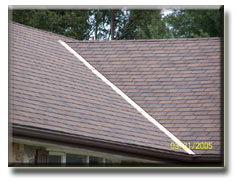
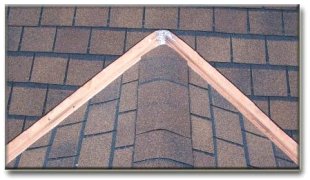
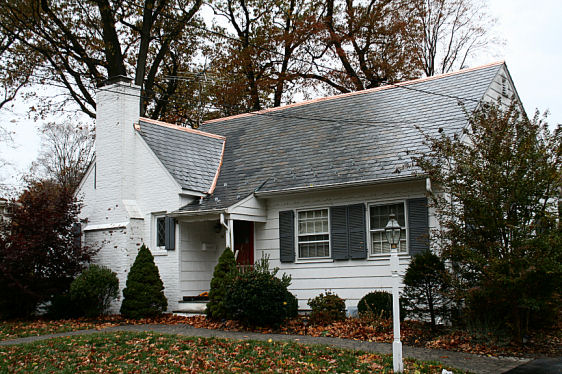
Below are photos of Open Copper Valleys and Blind Fastened Ridge Roll. |
|
 |
 |
| Back to Top |
|
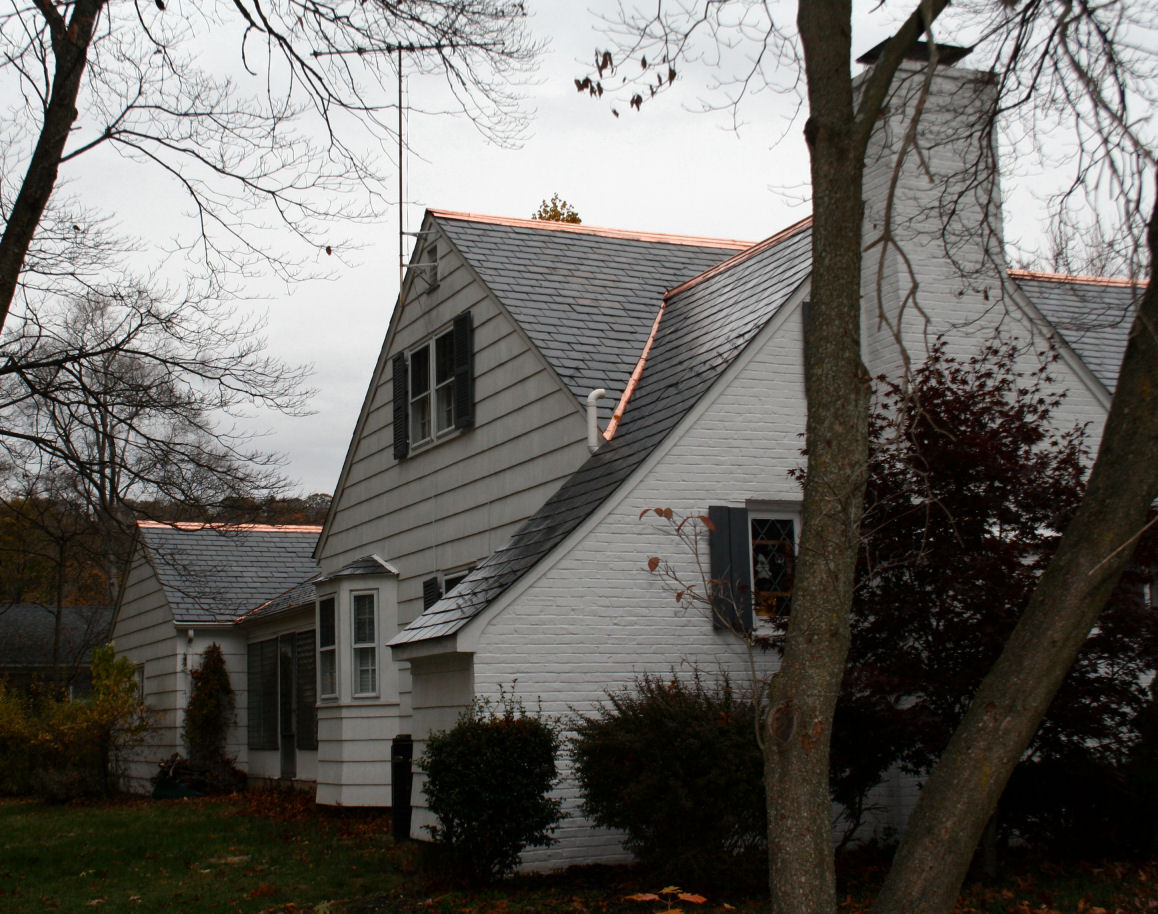
Environmental
Elements that affect Copper |
 |
| |
|
|
|
|